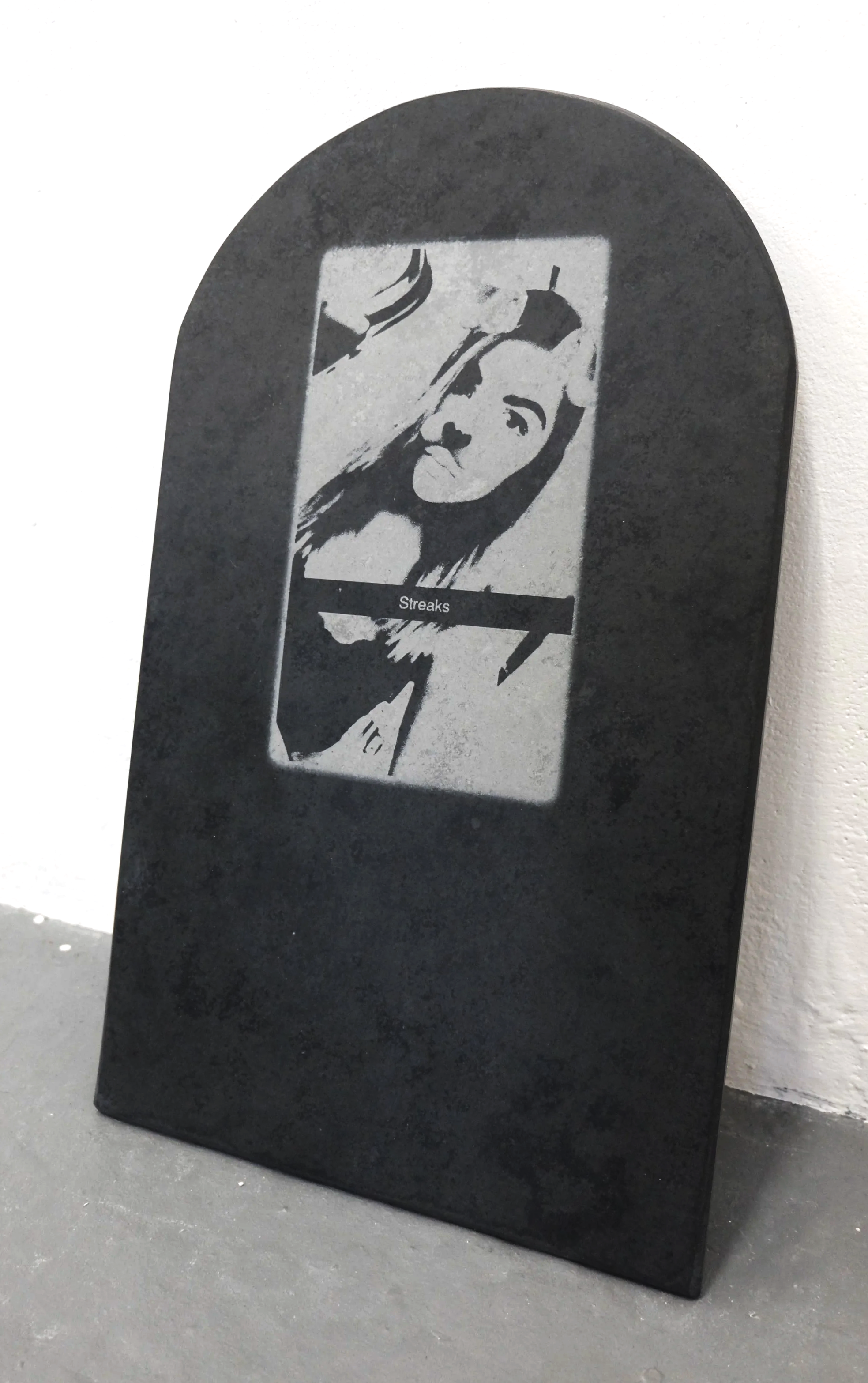
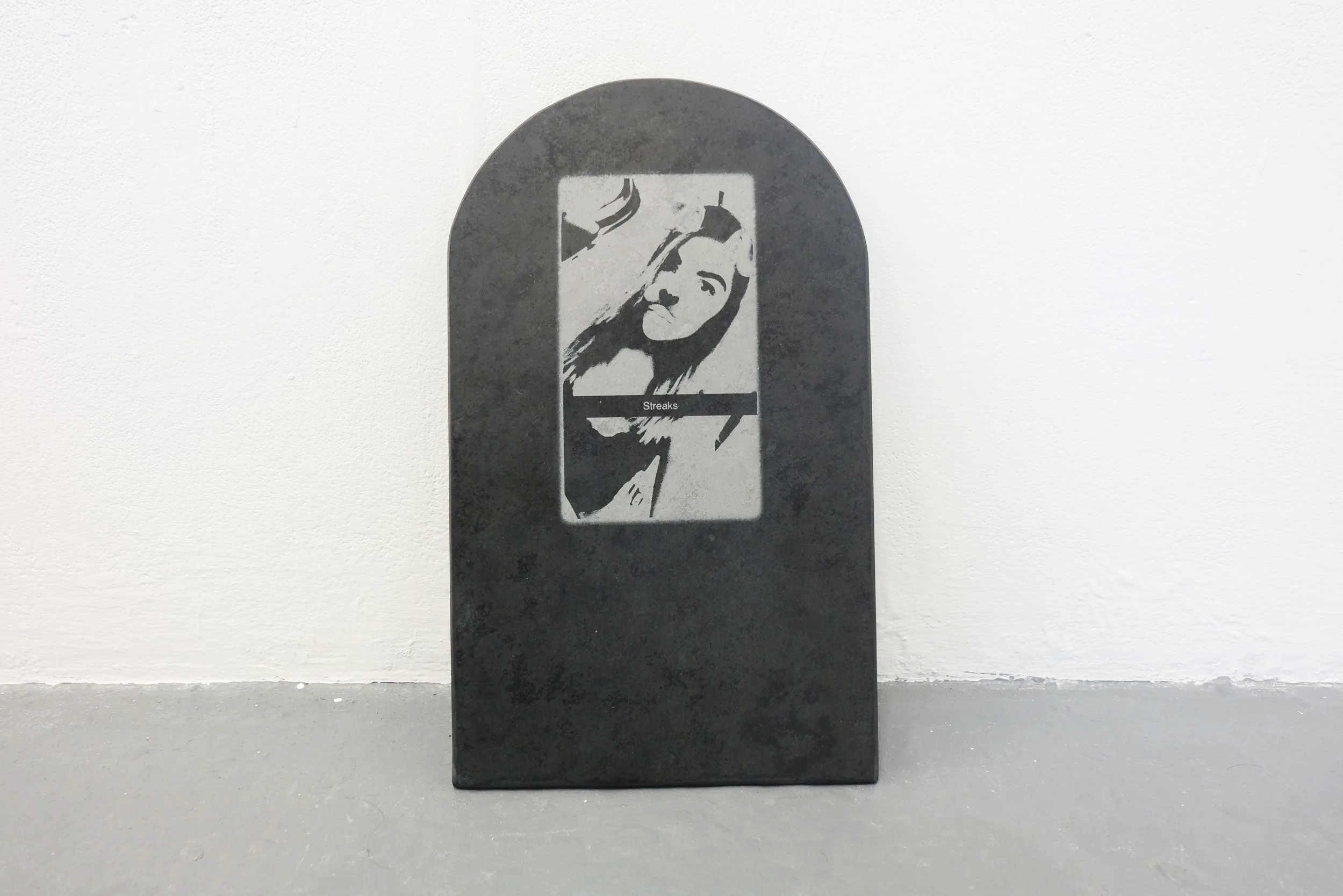
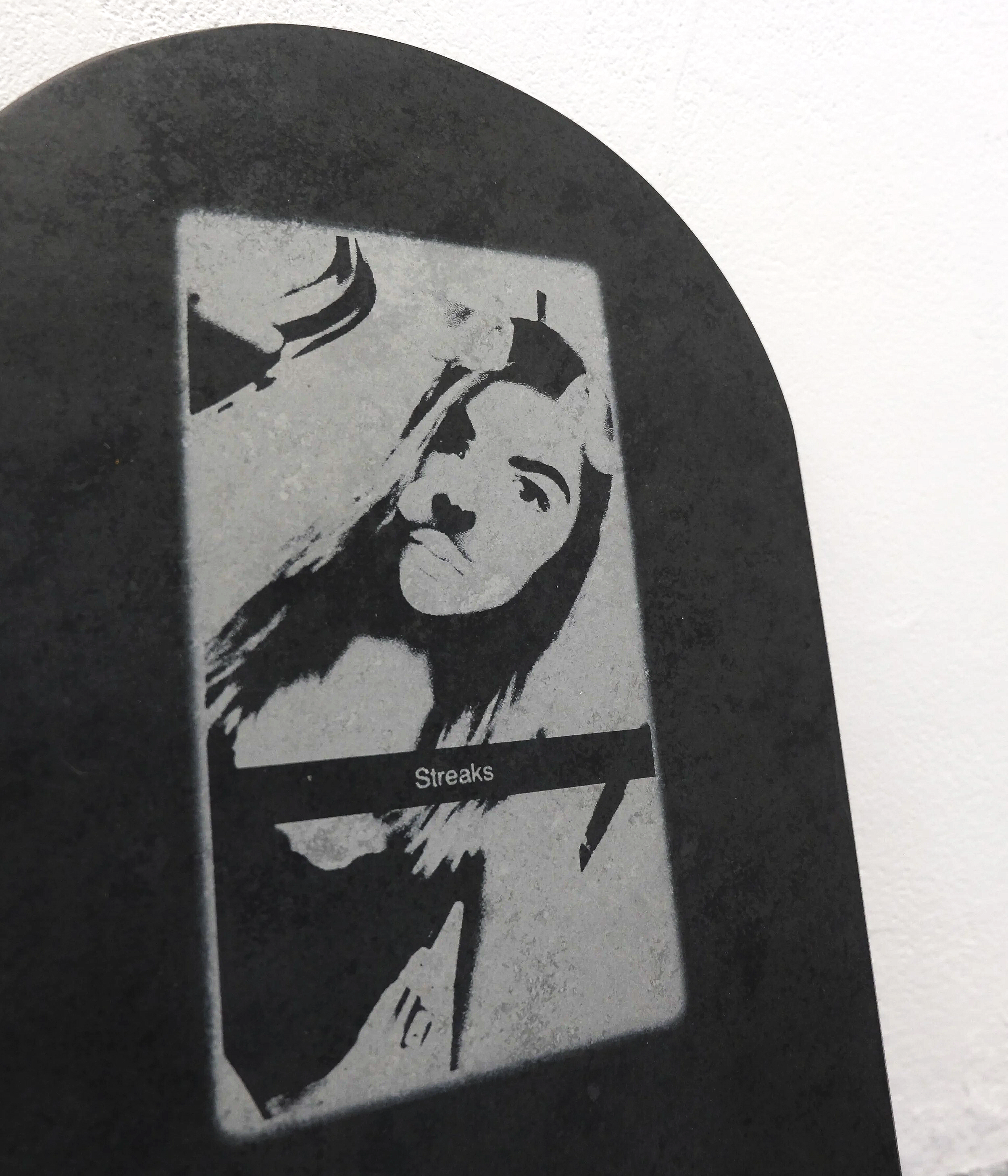
Streaks

In the book Non-things, author, philosopher, Catholic theologian and cultural theorist  Byung-Chul Han states “The selfie announces the disappearance of the kind of human being who is burdened by destiny and history. It expresses a form of life that devotes itself playfully to the moment. Selfies do not mourn.” In the same chapter Han also states “Snapchat represents the culmination of instantaneous digital communication…The moment is all that counts…Digital time disintegrated into a mere sequence of point-like presences. It has no narrative continuity. It thus transforms life itself into something fleeting.”
Now, I mean to cast no dispersions with the information I’m about to share. It may sound like I’m attacking the man rather than the idea. It may sound like a cheap dig at an accomplished academic by an arrogant student. But I really do think this is relevant to the discussion. Byung-Chul Han is 66 years old, 63 when this book was released. I’m not trying to say his age makes him ineligible to speak on the matter, in many ways I'm sure it adds a sense of perspective, a view on a before and an after to the introduction of “the digital” into communication. What I am saying is, as someone who came of age communicating through said mediums, our experiences of them will be drastically different. As fleeting as these messages can be, that ephemerality doesn’t necessarily extend to their contents. I have snapchats that loom like mountains in my mind. To me there is a deep nostalgia in the scandalous appeal of this form of communication, my burgeoning youth confronted with the image, taken just for me, that could only be seen once. Every message from a pretty girl like a comet to wish upon, disintegrating as soon as it reaches and rattles your nervous system. 


It should also be mentioned, that as much the images you send disappear, the stories you post do not. And I have spent many an afternoon with friends going through old stories laughing and cringing, much like one would a photo album. I think Han miss understands the purpose of Snapchat, it isn’t just people sending each other their faces again and again and again. They come with messages, working in the same vein as a conversation. Any annoyance at their impermanence is like being annoyed at words for disappearing once they’ve been said. 


Addressing his other point, selfies don’t mourn, that’s true in the sense that they don’t mourn in the same way that a traditional portrait does.

The selfie does mourn. It mourns its subject in the same way a diary does, equally as real, equally as unreliable. When in tears, this generation's instinct is selfie. Half performance and half documentation. As external as it may seem the selfie can exist exclusively for the subject, as a proof of existence, as confirmation of experience. As Han claims in the first chapter, stability is lost among non-things, the selfie is a claw for that stability.